

OpenAI Caught a Vibe
Your Favourite Tech-Bro’s Favourite Tech Show

Active Materials is a newsletter by Jordan Willis for creative strategists exploring the intersections of art, culture, and technology. Browse the archive to dive deeper.
If this found its way to you, and you’d like more, subscribe below.
The Ultradome
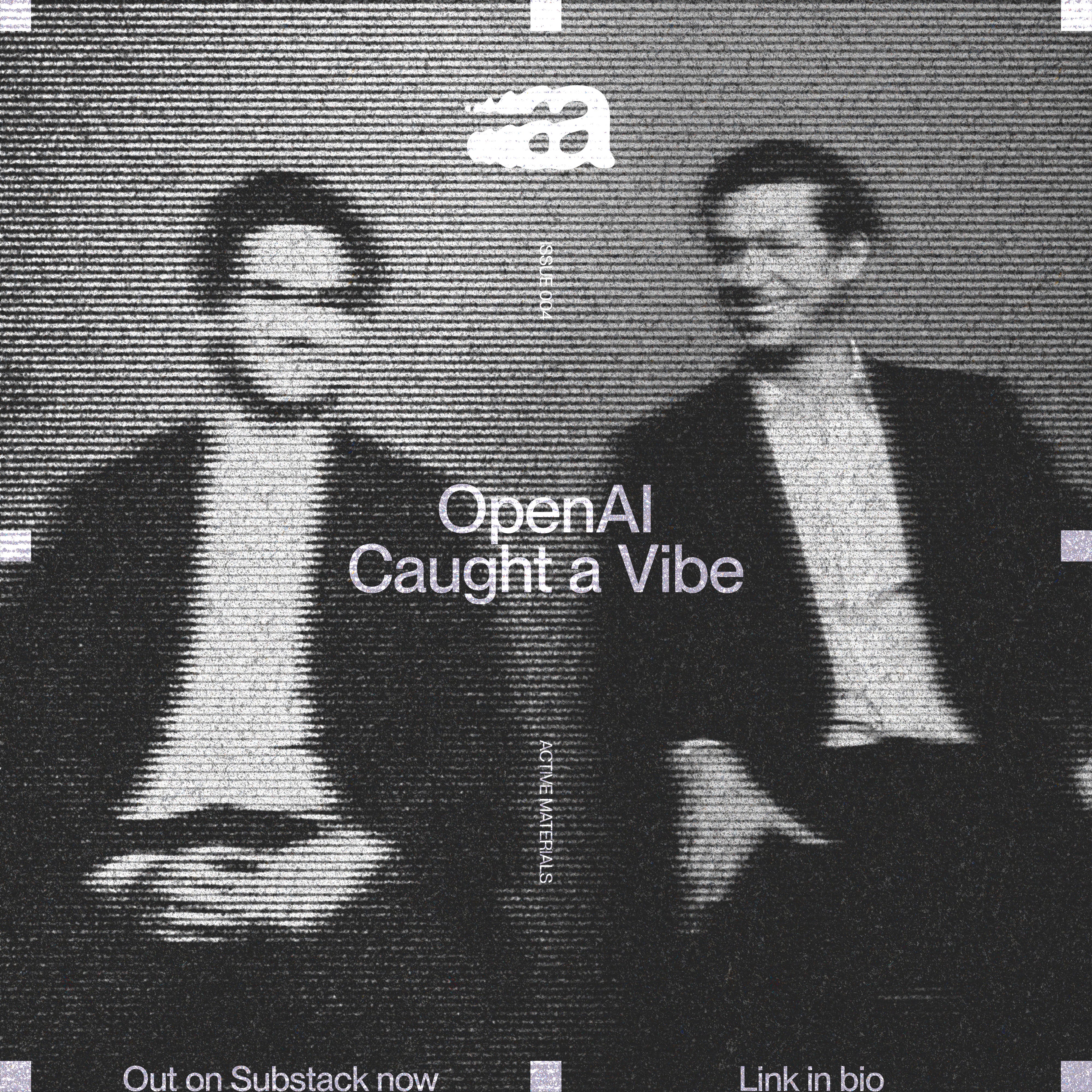
Welcome to the Ultradome, the Temple of Technology, the Fortress of Finance.
Inside a studio, under the glow of lights and cameras, sits a round table where entrepreneurs Jordi Hays and John Coogan present their daily, live tech talk show.
Think of it like your favourite ‘two bros chilling’ podcast, a la Throwing Fits (which I’ve always loved), shooting the shit around tech-industry news, equipped with a meme-literate soundboard and amped-up Bloomberg-Television-cross-ESPN design aesthetics. Forest green aplenty. It’s fun, it’s digestible, and the interview schedule reads like a who’s who of the industry surrounding AI.
This is TBPN. One of the fastest-growing shows in tech, recently described as “Silicon Valley’s newest obsession” by The New York Times.
And now, part of OpenAI.
A Sensemaking Machine
That shift matters. At a time when public perception of AI is generating real anxiety, every man and their dog is telling you now’s the time to become a plumber, and a broader sense of doomerism around tech, the acquisition reads like a play to take back control of the narrative.
And TBPN is the perfect vehicle for it because, beyond being a tech show, it’s really setting up to be something more specific: a cultural sensemaking machine.
What TBPN does well is turn complex, uncertain topics around AI into graspable conversations. Not through reports or polished takes, but through talking things through in public.
Testing opinions in real time. Letting meaning form socially rather than delivering it fully formed. The casualness helps. The humour makes it enjoyable.
The loose, talk-show energy makes dense ideas feel incredibly digestible. This builds trust in a way that corporate comms or explainer content simply can’t.
That’s what I think makes the show powerful.
Building Taste in Tech
Zoom out from TBPN, and there’s a wider pattern forming.
Tech companies are increasingly layering culture and taste into their product offerings, moving beyond the incrementality battle that most traditional product specs are fighting over.
A Cold Wall* founder and designer Samuel Ross is now Global Creative Director of Whoop, and what could easily be another wearable fitness tracker suddenly becomes something more stylised, more textured, because the added design layer communicates a new worldview rather than just a new feature.
Charlie Smith, the previous marketing chief at Loewe, is now Chief Brand Officer at Nothing, a company that’s already turned design friction, transparent hardware and retro-future dot-matrix interfaces into an identity.
What shifts when you put a Loewe marketing chief or an A Cold Wall* founder at the creative helm of a tech company?
The product stops being just the product. Design and aesthetics become strategic positioning. That’s the playbook these brands are buying; the same one used in markets like Luxury Fashion.
Apple knows this; its playful campaigns and recent TikTok launch with the MacBook Neo show a company that’s long understood the game, now doubling down on cultural fluency. Tech is getting fun, expressive, and sticking its hands deep into building cultural capital.
In that context, the TBPN acquisition is a cultural move more than anything. If culture is where meaning is formed, then shaping culture becomes strategic.
A Future ESPN?
TBPN currently sits at around 70,000 viewers per episode. Currently, the audience most likely consists of Silicon Valley players, tech founders, investors, and startup employees.
Sure, OpenAI wants to be behind your favourite tech-bro’s favourite tech-show. But I think the real investment thesis syncs up with the wider pattern we just talked about.
As tech companies push toward these culture-first models, TBPN could become something like an ESPN for technology, a platform whose audience gradually expands beyond insiders into a more casual user base, people who don’t work in tech, but whose lives are increasingly shaped by it.
And the reason that growth is plausible is precisely because of the sensemaking format. TBPN makes news around AI and tech more watchable, more talkable, more social. You might one day soon find your housemate flicking off the latest prem game to catch up with the past week’s TBPN digest.
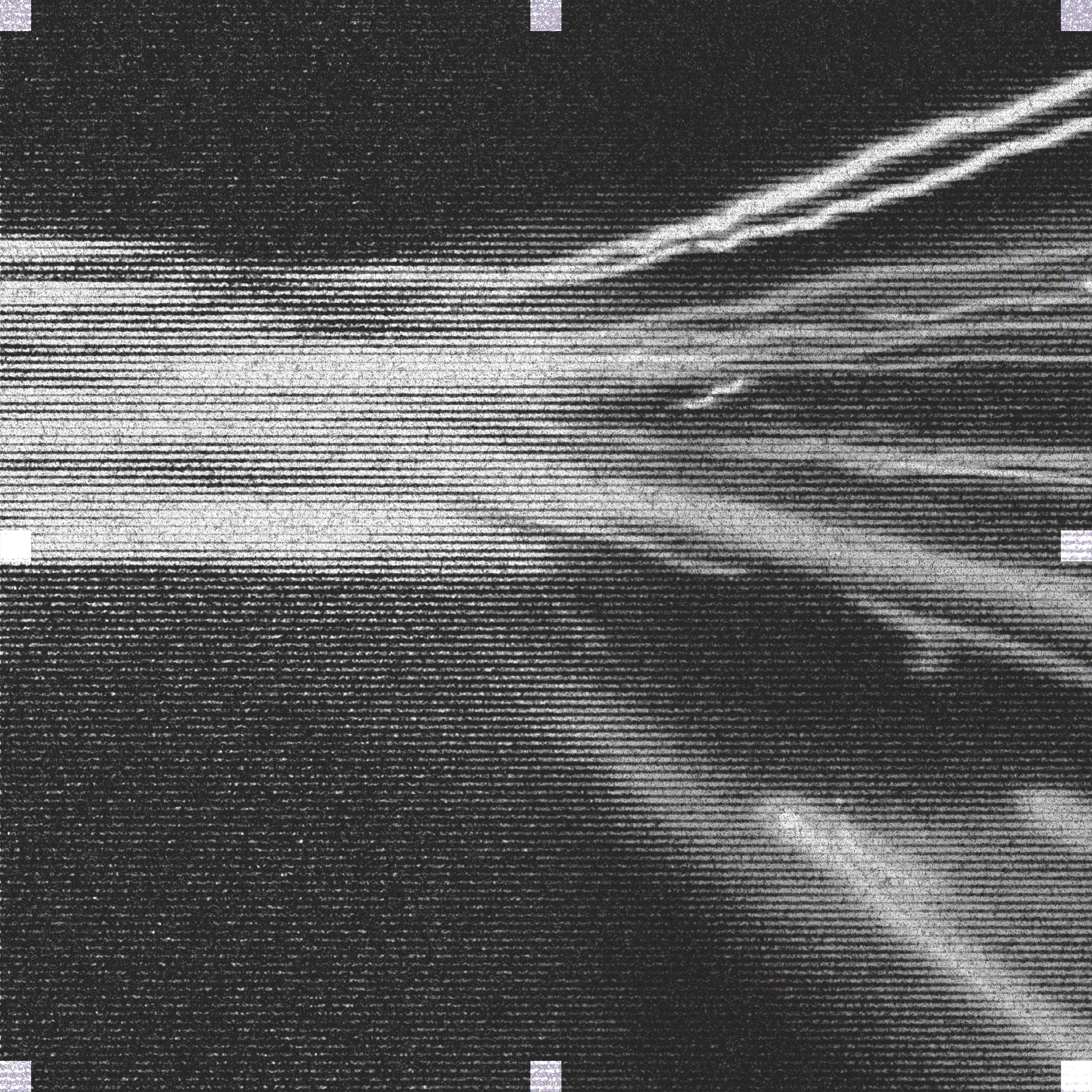
Koyaanisqatsi’d
In a recent interview with Cultured Mag, John Coogan (one half of the presenting team) was asked: “What’s one work of art that got you through an important moment in your life?” His answer: Koyaanisqatsi, the 1982 documentary directed by Godfrey Reggio.
If you’ve seen it, the choice is kind of perfect. The film is a non-narrative, visual and auditory experience designed to depict the chaotic relationship between humanity, nature, and technology.
The film is sensemaking too, a different kind, slower and more meditative, but the same impulse. Making sense of a world that’s moving faster than our understanding of it. Something is telling about the co-host of tech’s most energetic daily show, citing a film about life out of balance.
Prophetically, Koyaanisqatsi is a Hopi term meaning, among other things, “life out of balance”.
Maybe TBPN is OpenAI’s attempt at restoring some of their balance. Or maybe it’s just another way of making the imbalance feel comfortable.
An exciting space to watch.
Your Curiosity Means a Lot
Active Materials exists to build a community of curious individuals, people open to new ways of seeing, making, and understanding the world. Learn more about us here. In the archive, you can find other ideas to explore.
Enjoyed this? Send it to a friend.
Interested in collaborating or contributing?
Comment below or send me a message at hello@jordanwillis.xyz to get in touch.