


Active Materials is a newsletter by Jordan Willis for creative strategists exploring the intersections of art, culture, and technology. Browse the archive to dive deeper.
If this found its way to you, and you’d like more, subscribe below.
The Laptop Performance
Over the past two weekends, Justin Bieber headlined Coachella, and for most of the set, the 32-year-old sat on stage with a laptop, streaming YouTube clips of his hits while singing over them live.
Beliebers aplenty watched grainy home videos, early performances, memes, and the songs that made him. A pop star who grew up at the same time as the internet grew around him, now treating the internet as his instrument. The laptop, this everyday object, this portal to everything, becomes the stage itself. It’s almost too perfect.
Nostalgia and performance aside, I feel like there’s something interesting here. When Bieber scrolled through his own hero’s journey on stage, he collapsed the distance between the start of his career (his origin) and his now 32-year-old self, both existing simultaneously on stage.
The performance turned his biography into a myth. And with Skylrk - Bieber’s brand that launched last year after years of teasing - positioned front and centre, myth becomes merchandise.
What Makes a Myth Stick
By performing through YouTube, Bieber turned the platform into a stage. The laptop acting as this object that said, “There’s no industry here, no construction, just a chill guy and his music,” flattening all that industry capital into something that feels organic (Bieber’s $10 million fee is apparently the highest-paid artist in Coachella history).
Bieber’s platform-mediated fame is presented as natural; talent meets visibility, let the algorithm do the rest. That’s the stardom formula we’ve come to know.
And that’s also the mythmaking at work. Influential French theorist Roland Barthes (big in the 50s) argued that myth works by making culture seem like nature, taking values shaped by history and power and presenting them as universal truths. This is what the Coachella performance does: it makes his rise to fame seem like fate.
Merchandising Myth
When looking at the production of modern American myths, it’s always good to look at a brand like Ralph Lauren. One of the most famous brands that injects emotional elements of aspirational Americana iconography into everything it builds within its brand world. From Ivy League to the Wild West, the whole brand system is distilling upward mobility and creating a world with infinitely repeatable rules.
Lauren made a myth you could literally wear. And right now, the myth is paying off. While global luxury spending contracted over the past two years, Ralph Lauren’s revenue rose 10% in the final quarter of 2025. In a recent article from the Economist, David Lauren, the founder’s son, who oversees branding and innovation, was quoted as saying that people visit “because they love the ambience”.
This success is partly due to a preppy revival. ‘Ambience’ is just Americana by another name. But the hidden reality is that buying into this aesthetic doesn’t grant elite social standing; it makes an exclusive lifestyle appear as a default, desirable cultural norm.
Two Systems, One Dream
Both Bieber and Lauren operate as systems that make the American Dream feel accessible. Bieber through the language of platforms, Ralph through the language of products. The erosion of the industry, the marketing, and the conditions that shape who gets through is when the myth becomes effective.
What’s left is a smoother, cleaner version of reality. This, as Barthes’ ‘naturalisation’ process critiques, can suppress reality, conflict, and the diversity of cultural expressions.
From Performance to Production
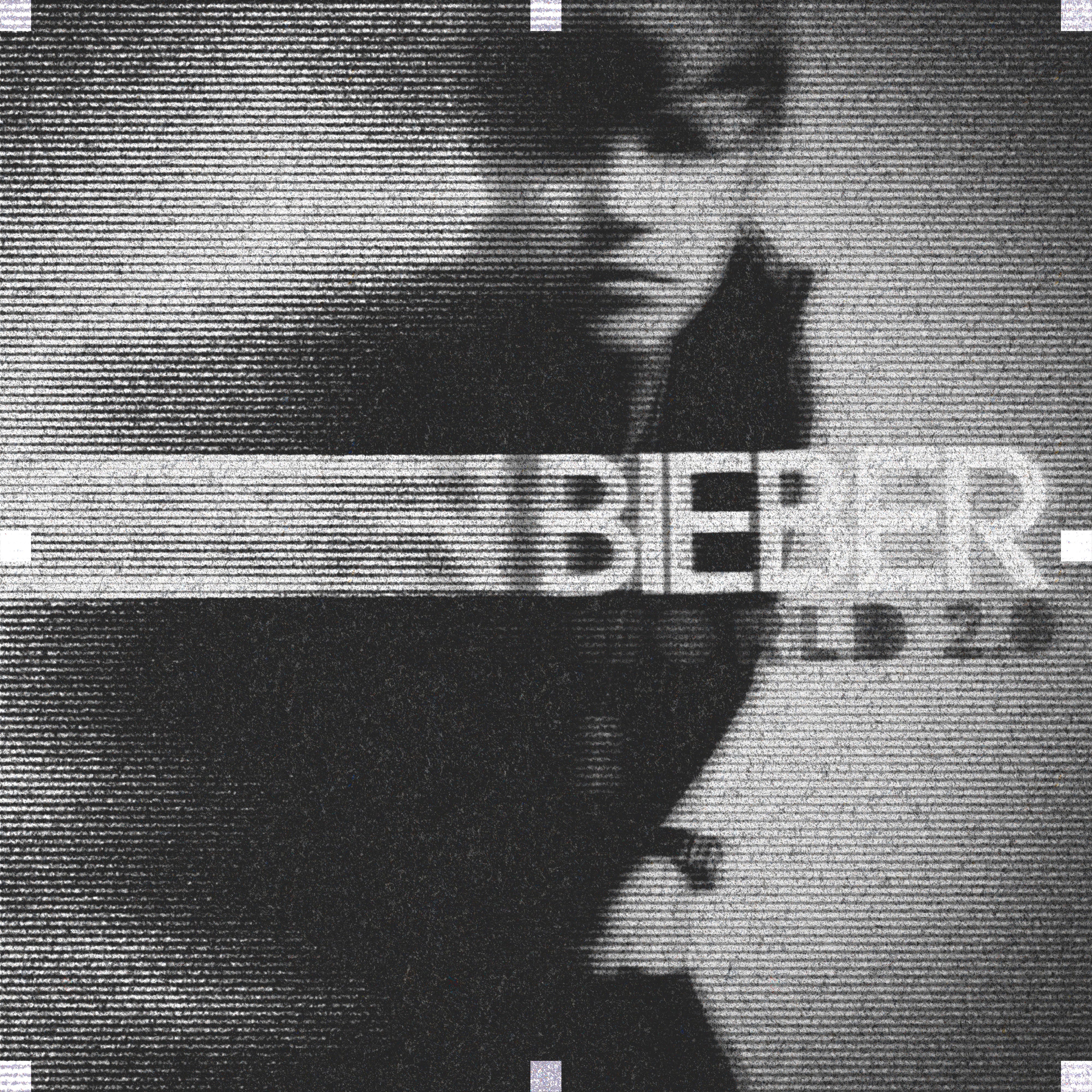
Bieber’s myth-making performance seems to have already translated into a Ralph-Lauren-esque ‘myth production mode’. Bieber’s brand Skylrk sold $5.04 million worth of merchandise during Coachella’s first weekend - tripling the festival’s previous two-weekend record of $1.7 million in just three days. Three days. Ralph Lauren built his world over decades. Bieber built one over a weekend...
What we saw is myth converted to capital in real time. The laptop performance naturalises the origin story; Skylrk turns it into a product.
A New Archetype
Just as Ralph Lauren synthesised American archetypes to build his brand: the pioneer, the outlaw, the explorer. Bieber has created a new one: the digital-native pop prodigy. Discovered on YouTube at 13. Scaled into global fame through platforms. Built in public. Collapsed in public. Rebuilt in public.
The Coachella performance turned this biography into a repeatable myth, and through Skylrk, he’s made it available as a system others can buy into. It’s the Ralph Lauren playbook on speed.
If Lauren proved you could package frontier-Americana and make it repeatable, Bieber is proving you can do the same with internet-native Americana. The performance at Coachella cemented it, a modern American myth.
Your Curiosity Means a Lot
Active Materials exists to build a community of curious individuals, people open to new ways of seeing, making, and understanding the world. Learn more about us here. In the archive, you can find other ideas to explore.
Enjoyed this? Send it to a friend.
Interested in collaborating or contributing?
Comment below or send me a message at hello@jordanwillis.xyz to get in touch.